
Black families in Lansing
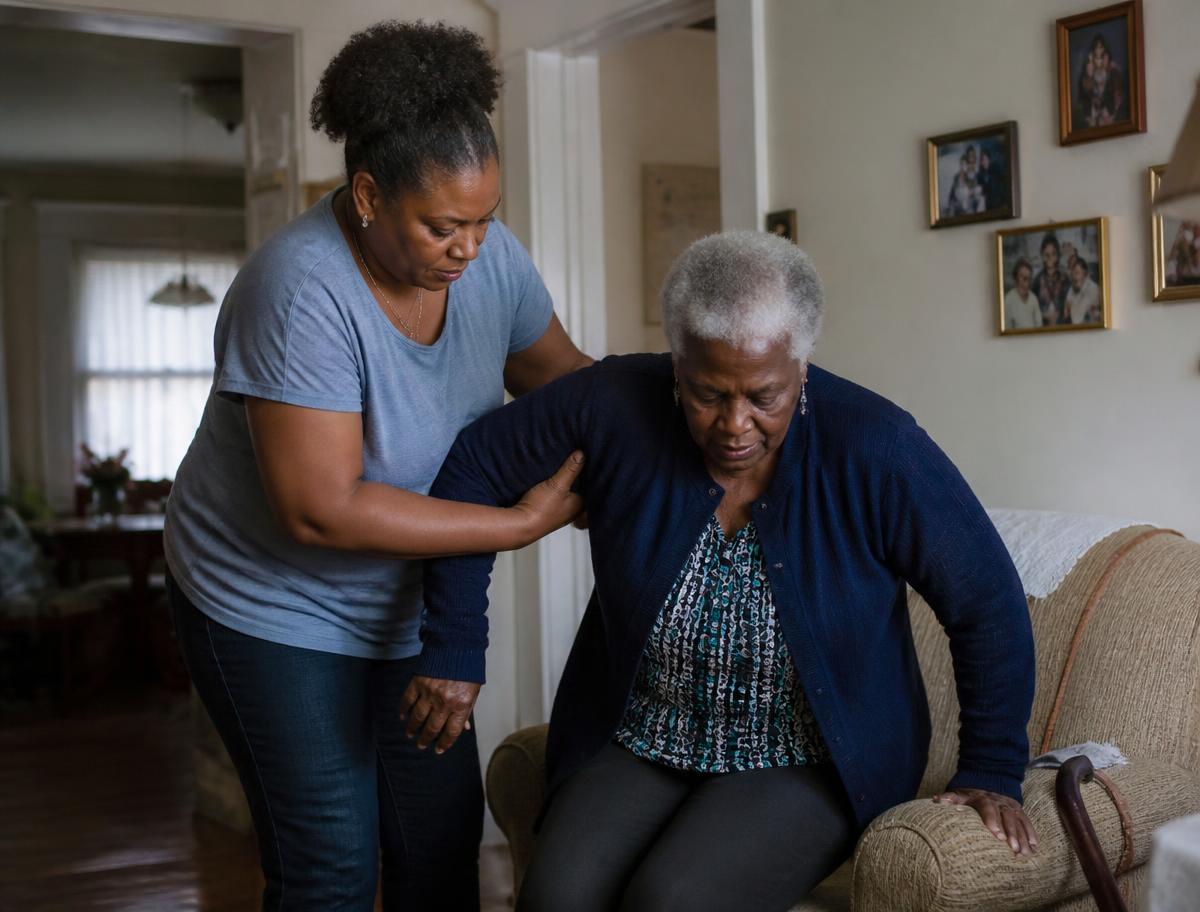
Nearly one in four Lansing residents is Black or African American, and many households already care for an elder at home without pay. Home Help turns that care into a paycheck — from the state, not from your family.
If you're already helping a parent, grandparent, or relative in the Lansing area, Michigan's Home Help Program may pay you for that care. We handle every page of the paperwork and enrollment — completely free.
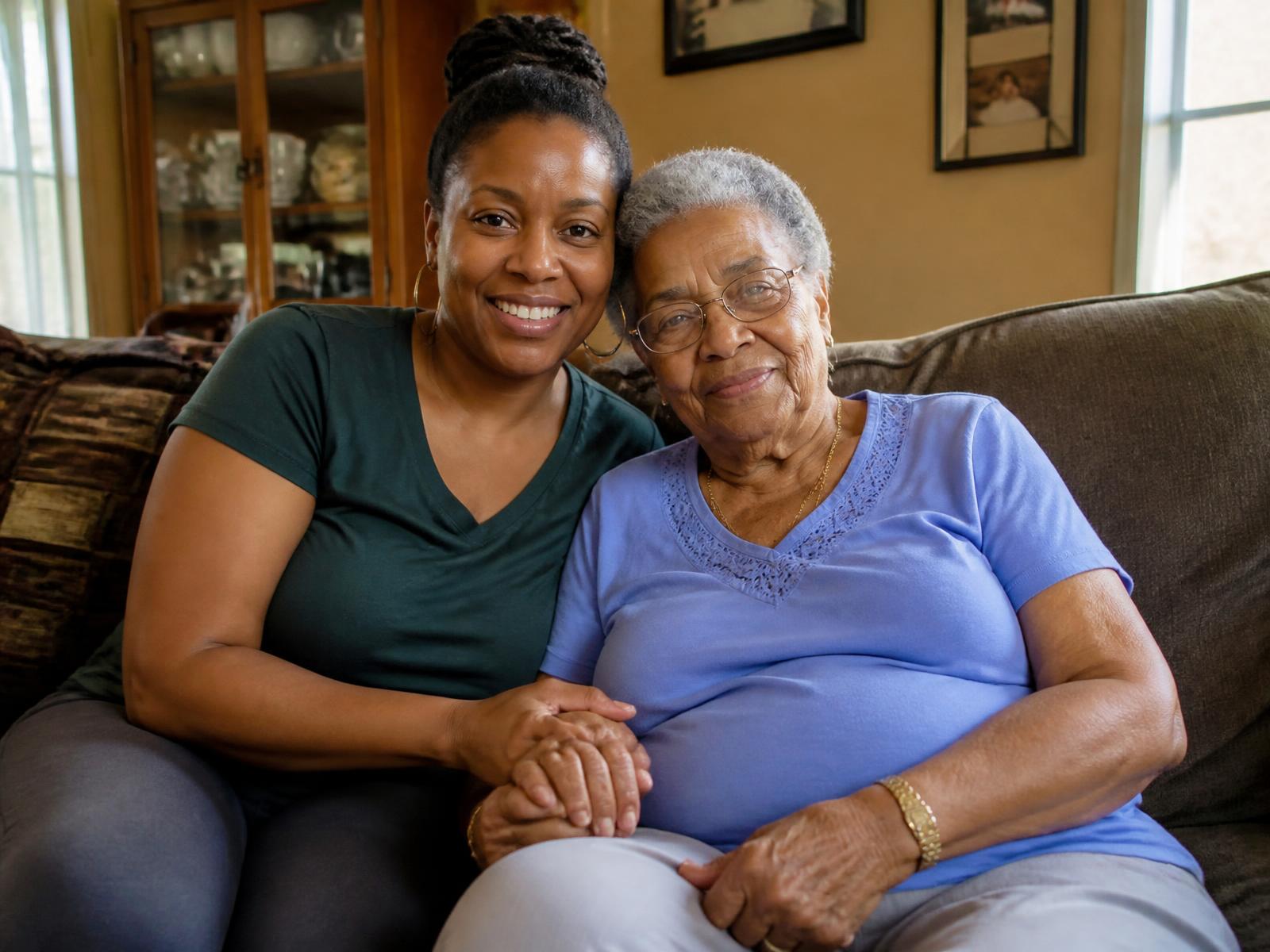
Granddaughters, sons, nieces, nephews, and other relatives can be the paid caregiver.
Michigan's Home Help Program is a state benefit that pays for personal care so people can stay in their own homes instead of moving into a facility. Because it's consumer-directed, the person receiving care chooses their own caregiver — and that caregiver is very often someone in the family.
Payment comes through MDHHS, not out of your family's pocket. The care you're already giving becomes income.
A daughter, grandson, niece, cousin, or trusted friend can serve as caregiver. Familiar faces, familiar home.
We complete the application, coordinate the assessment, and follow up with the state. No fees, ever.
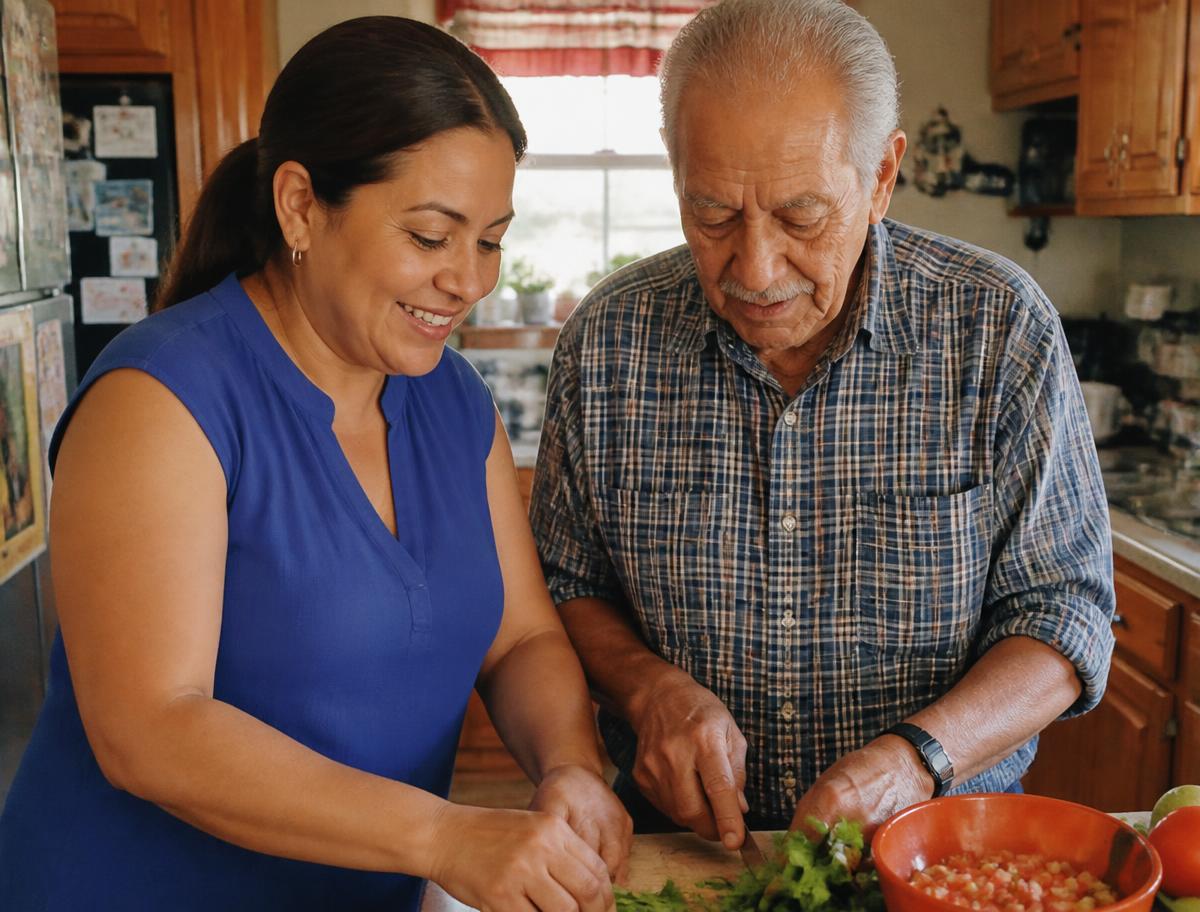
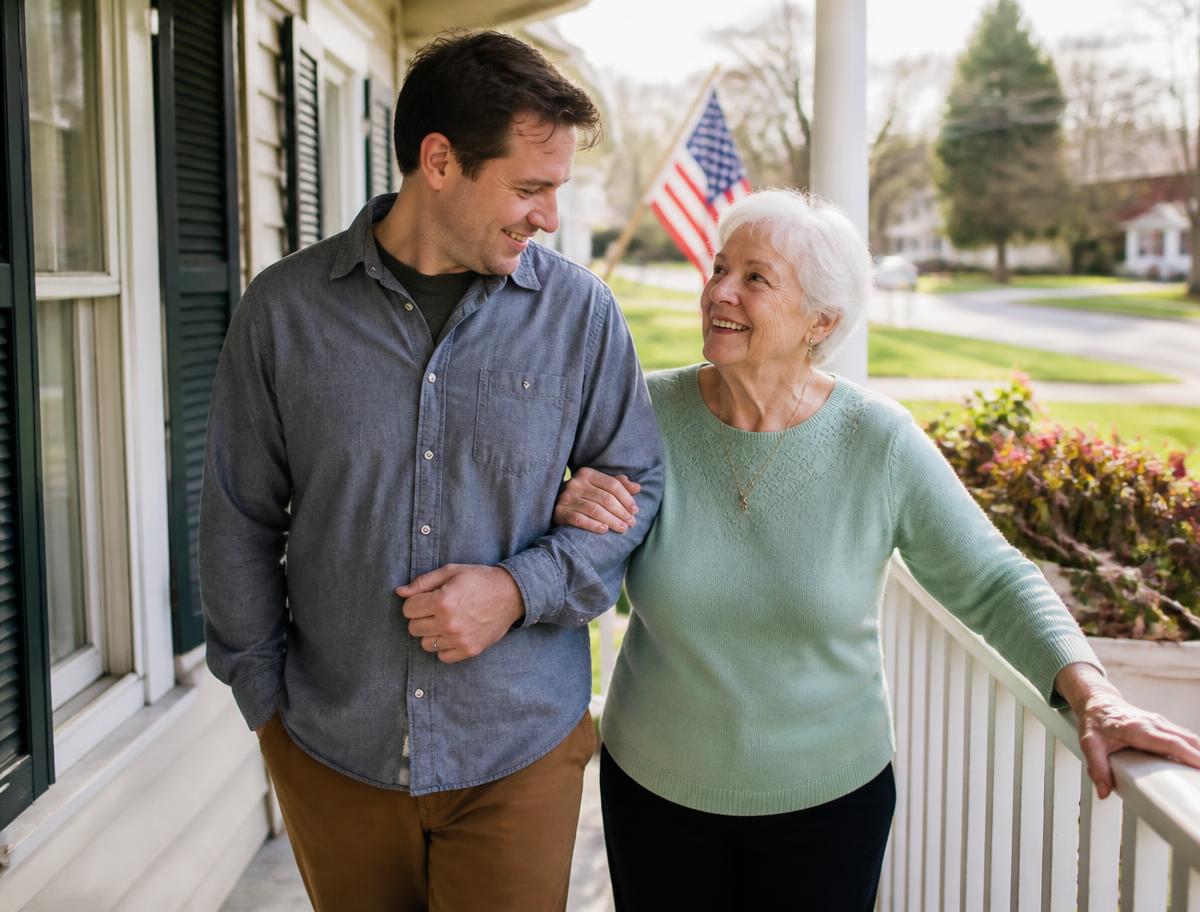
Every family is different, and eligibility is decided by MDHHS — but these are the situations we help with most often.
Not sure? Call 517-550-7311. We'll tell you honestly, in a few minutes, whether it's worth applying.
Lansing is one of the most diverse cities in Michigan, and the tri-county area is home to long-standing Black, Latino, Arab, African, and Asian communities as well as newer refugee families. We serve all of them — and the farming families of Eaton and Clinton counties — in the language they are most comfortable speaking.
Nearly one in four Lansing residents is Black or African American, and many households already care for an elder at home without pay. Home Help turns that care into a paycheck — from the state, not from your family.
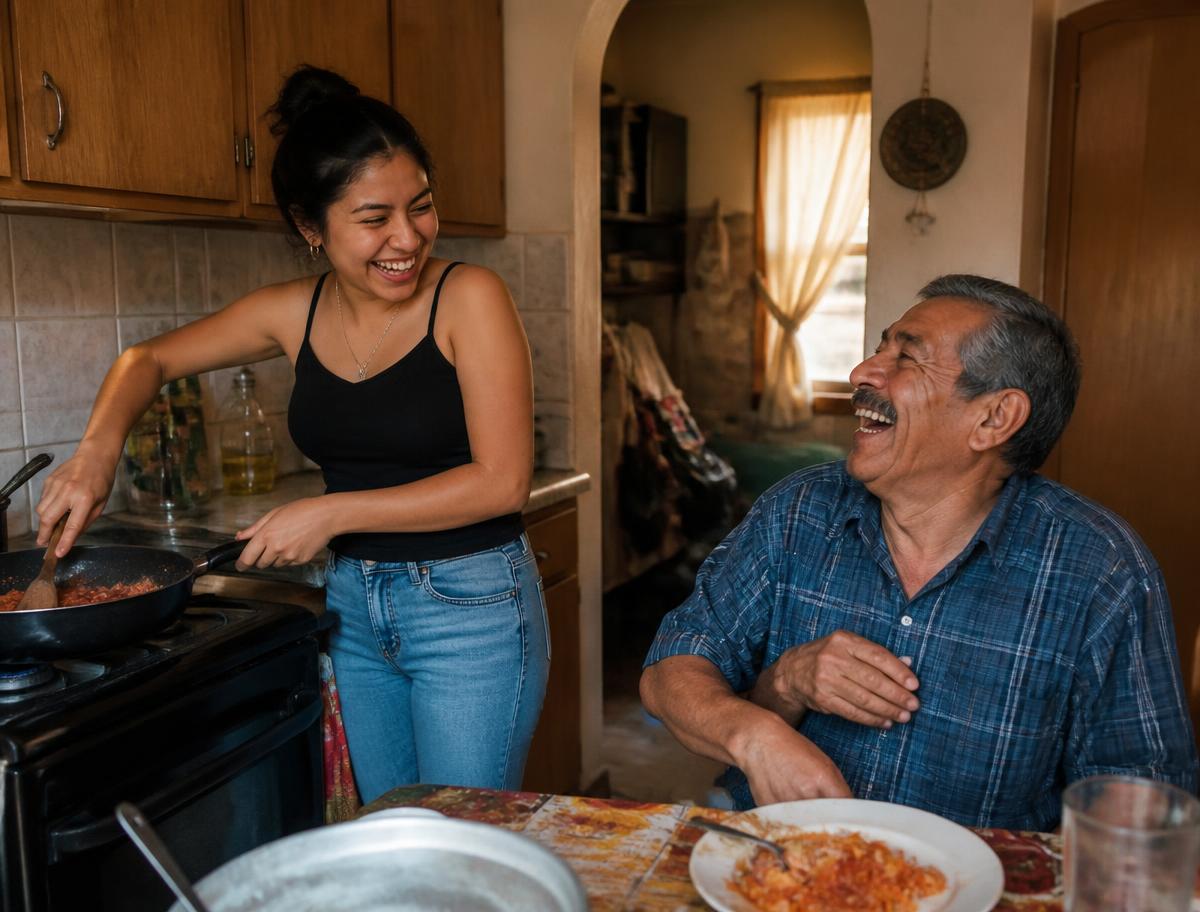
Care belongs in the family — la familia cuida. We keep your loved one at home with a relative as the paid caregiver, and we walk Spanish-speaking families through every MDHHS form.
Ver esta página en español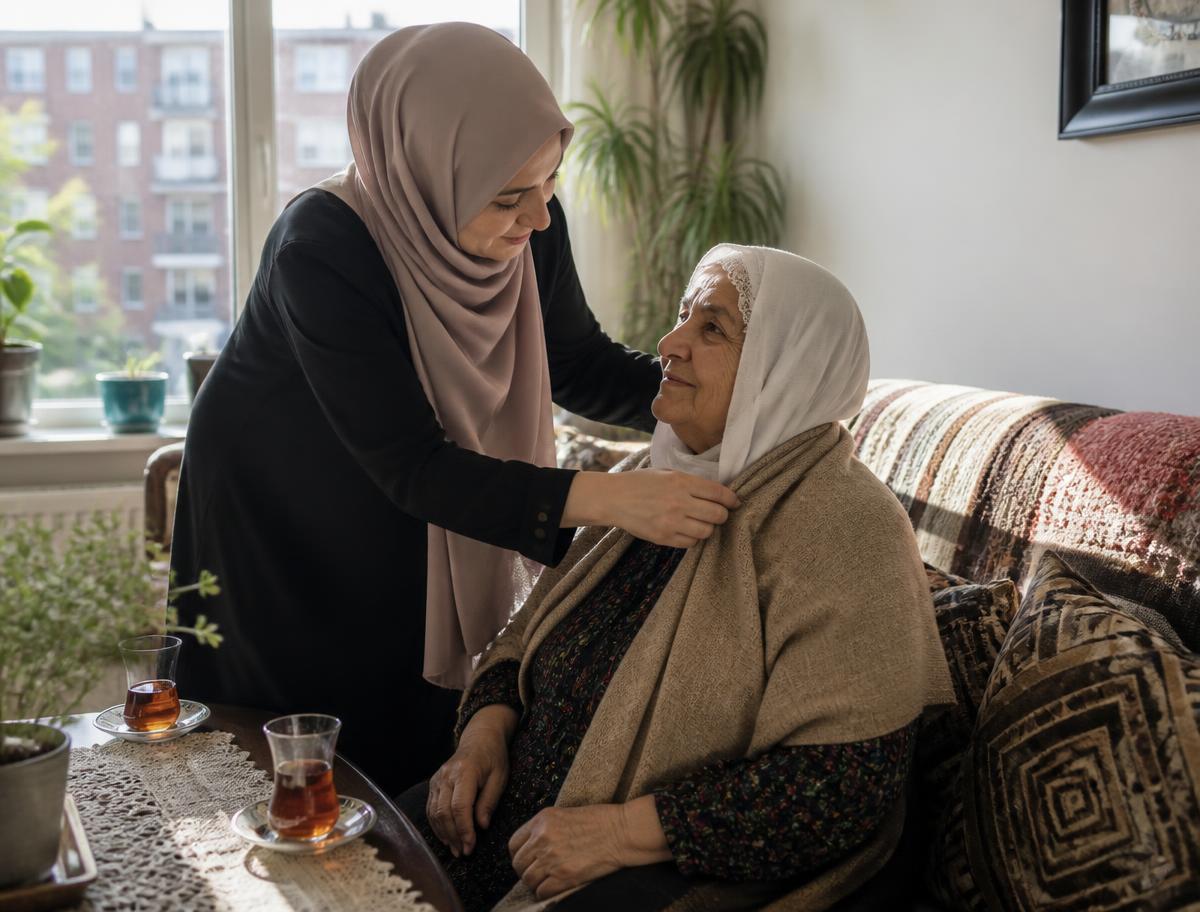
Lansing is one of Michigan's largest resettlement communities — Iraqi, Syrian, Afghan, Congolese, Nepali-Bhutanese, Burmese and Ukrainian families all call the tri-county area home. We can match a caregiver who shares your language, faith, food, and gender preferences.
هذه الصفحة بالعربية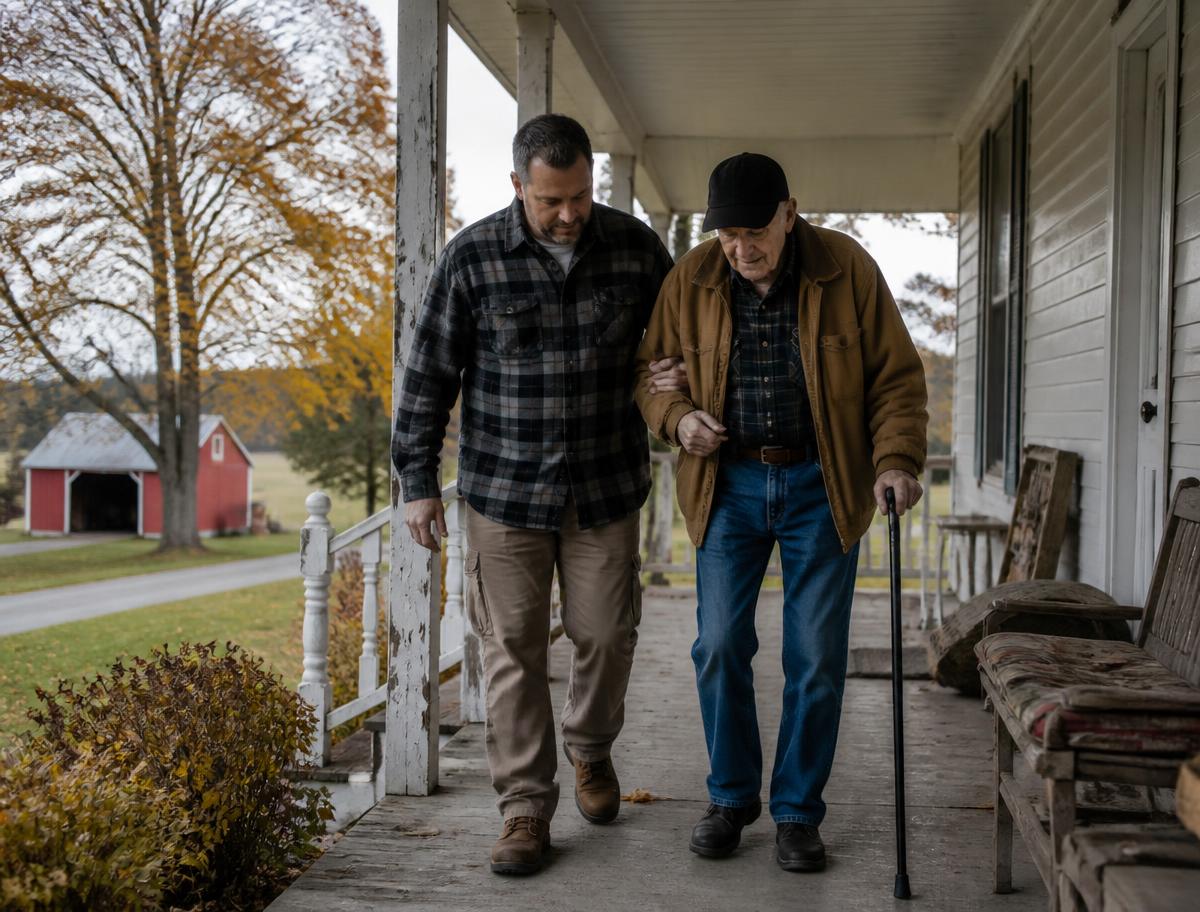
About one in five residents of Eaton and Clinton counties is 65 or older, often miles from the nearest agency. Home Help lets a son, daughter, or neighbor provide the care right where your family already lives.
Our website is available in English, Spanish, and Arabic. For every other language spoken in the Lansing area, we bring a free phone interpreter onto the call — you never need to ask a child or grandchild to translate paperwork for you.
Your loved one chooses who cares for them. A daughter, grandson, niece, or trusted friend can be the paid caregiver — care stays in the family, at home.
We walk your family through Michigan's Home Help Program from the first phone call to approval, and we file everything with MDHHS on your behalf.
We handle timesheets, pay schedules, and state paperwork so your caregiver gets paid accurately and on time, every pay period.
Bathing, dressing, grooming, mobility and transfers, toileting, and eating — the hands-on daily care that keeps someone safe at home.
Meal preparation, light housekeeping, laundry, shopping, medication reminders, and transportation to appointments.
One short, friendly phone call. We ask about your loved one's needs and who in the family wants to be the caregiver. No cost, no obligation, no pressure.
We complete the entire MDHHS Home Help Program application and enrollment for you, coordinate the in-home assessment, and follow up with the state until it's approved. You pay nothing.
Once approved, your family caregiver begins receiving payment from the State of Michigan — typically within weeks. We manage payroll from there so you can focus on caring.
One call is all it takes. We'll tell you in minutes whether your loved one is eligible — and if they are, we do the rest for free.
Monday – Friday, 9:00am – 5:00pm